

Kitchens6 min read
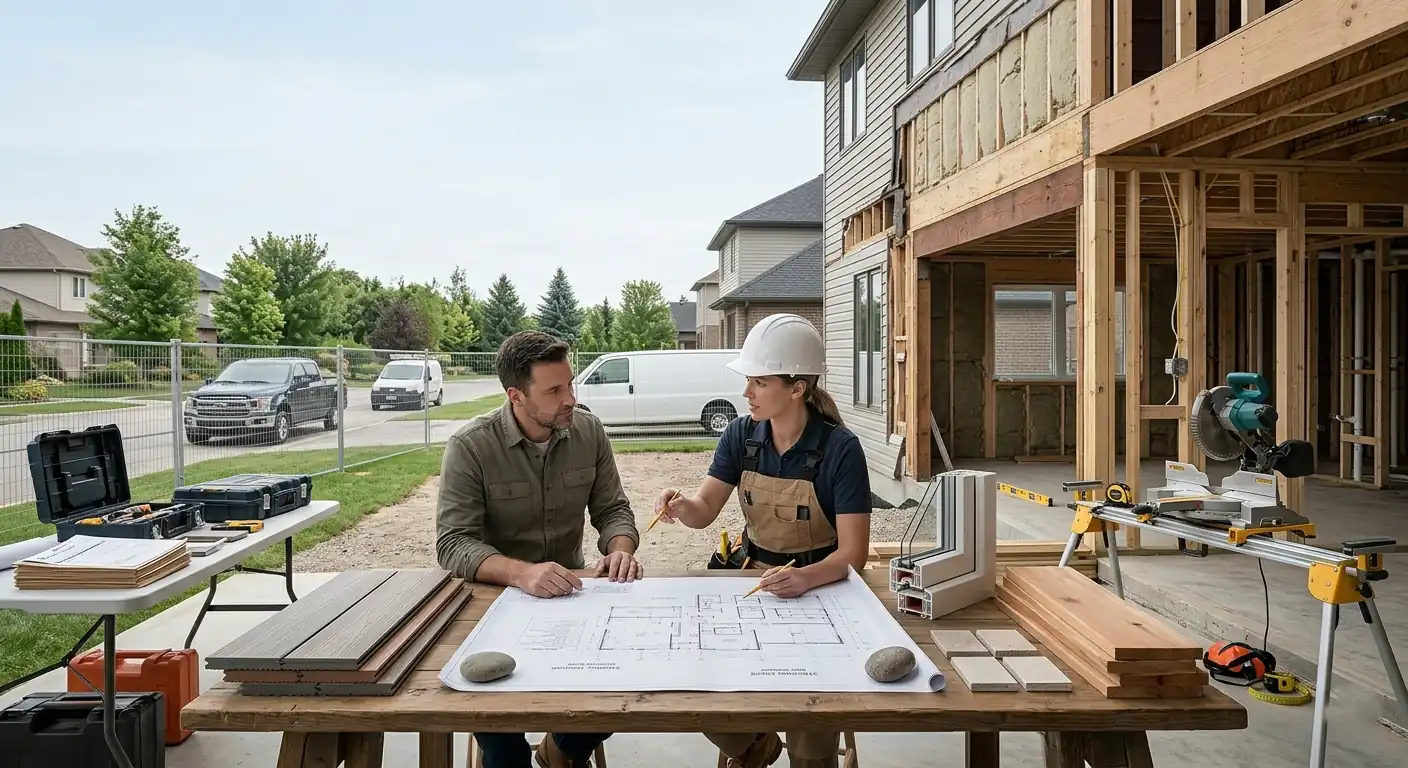
After hundreds of renovation projects, the same mistakes appear again and again. Here is an honest look at the decisions that derail renovations — and the specific steps that prevent each one.
The renovation industry is full of stories that end with "...and then it cost twice as much and took twice as long." These outcomes are rarely random. The same decisions — made for understandable reasons by well-intentioned homeowners — produce the same problems, project after project. Here is an honest look at the most common mistakes and the specific actions that prevent them.
The lowest bid is almost never the best value. In competitive tendering, significantly lower bids typically mean one of three things: the contractor missed scope items and will charge for them as extras once you are committed to the project; the contractor is cutting corners on materials or labour quality; or the contractor is underpricing to win work during a slow period with no intention of absorbing losses. Get three quotes, ask what each includes and excludes, and evaluate on total delivered value rather than opening number.
The most common driver of project delays is selections that are not made before construction starts. Tile that is out of stock. A fixture with a 10-week lead time. A cabinet colour that requires a custom order. Every one of these discoveries mid-project halts progress while you wait. Finalize and order all long-lead items — cabinets, tile, fixtures, windows, appliances — before the first trade arrives on site. A properly managed project does not start until this is done.
"We are just doing the kitchen" becomes "...and while we are at it, we should update the adjacent bathroom" becomes "...and those floors need to match now" becomes a project that doubled in scope and budget from the original discussion. Scope creep is real, human, and expensive. If you want to do multiple things, plan them together from the start rather than adding to an active project. Mid-construction additions are always more expensive than they would have been in original scope.
Opening walls in any home that is more than 20 years old will reveal something unexpected. It might be a plumbing issue, a wiring problem, or a structural surprise. Without a contingency budget — a minimum of 15%, ideally 20% — these discoveries become crises rather than manageable project items. A homeowner with a contingency handles discoveries calmly; a homeowner without one faces either delayed completion or deferred repairs that create future problems.
A contractor without liability insurance or WCB coverage transfers all liability for accidents, property damage, and injuries onto the homeowner. This is not hypothetical risk — it is a direct exposure that can result in significant financial loss. Always request a Certificate of Insurance naming your property and verify WCB clearance at wcb.ab.ca before work begins. Legitimate contractors provide these documents without hesitation.
An upfront deposit of 10–25% is standard and appropriate for materials procurement. Requests for 50% or more upfront before work begins are a red flag — they give the contractor financial flexibility that is not in your interest. Payment schedules should be tied to project milestones: foundation complete, framing complete, rough-ins complete, finishes complete, and final walkthrough. Never pay substantially ahead of work completed.
The reasons not to skip permits are well-documented elsewhere in our blog. To summarize: unpermitted work is a liability at resale, may void insurance, and can require costly demolition and re-execution. Any contractor who suggests skipping permits to save time or money is the wrong contractor for the job.
If you are renovating a property to sell within 2–3 years, highly personal design choices — bold wallpaper, extremely specific tile patterns, unconventional colour palettes — reduce your buyer pool. Buyers pay a premium for spaces that feel aspirational but neutral enough to project their own life onto. If you are renovating for yourself and planning to stay for a decade, make exactly the choices you love. Just understand which category you are in before you commit.
Every renovation mistake we see was avoidable. None of them are exotic. They are all the result of known, common decisions — which means they all have known, common solutions.
— Aarth ConstructionLet's build something extraordinary together.