Kitchens6 min read
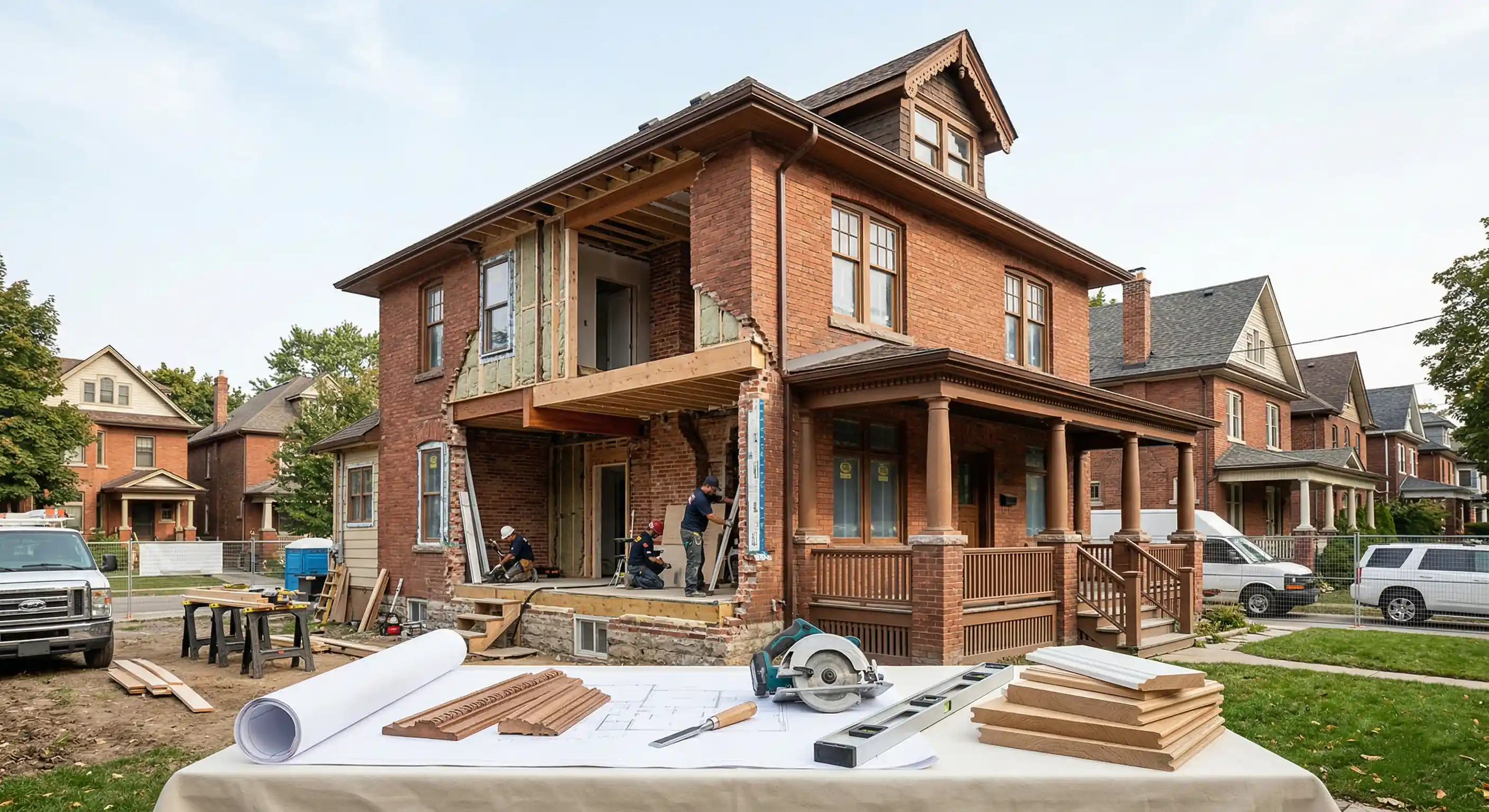
Edmonton's older homes have character that cannot be replicated. They also have knob-and-tube wiring, plaster walls, and undocumented modifications. Here is how to navigate a heritage renovation without losing your mind — or the home's soul.
Edmonton has a significant stock of homes built between the 1910s and 1950s — houses with genuine character, solid bones, and architectural details that were standard in their era and impossible to replicate affordably today. Hardwood floors through the entire home, plaster walls with superior acoustic properties, solid wood doors and trim, real tile and stonework, and proportions that feel human rather than maximized for floor plate efficiency.
These homes are also, almost without exception, carrying decades of deferred maintenance, undocumented modifications, outdated mechanical systems, and building materials that range from inconvenient to genuinely hazardous. Renovating them successfully requires understanding both what is worth preserving and what must be replaced — and having the experience to tell the difference.
Heritage home renovations in Edmonton almost always involve discovery work — conditions behind finished surfaces that no one could see until walls opened. Common discoveries include: knob-and-tube electrical wiring (not inherently dangerous but uninsurable as-is and unable to support modern load demands), galvanized steel water supply pipes (corroded from the inside, often restricting flow to a trickle), cast iron drain stacks in good condition or failing condition depending on age, asbestos in vermiculite attic insulation, pipe insulation, floor tile adhesive, and stipple ceiling texture, and undocumented structural modifications.
Knob-and-tube (K&T) wiring was standard in homes built before approximately 1950. It is a two-conductor system — no ground wire — that operated safely in its era but is inadequate for modern electrical loads and is typically not insurable without being replaced. More critically, insulation added over K&T wiring (a common energy retrofit) traps heat in the wires, which is a fire hazard. If your heritage home has K&T and you are renovating, a complete electrical replacement should be in your budget. The cost is $8,000–$20,000 depending on home size, but it makes the home insurable and safe.
Original plaster walls are genuinely superior to modern drywall in several respects: they are harder, more impact-resistant, and have better acoustic properties because of their mass. The decision to repair or replace depends on condition. Plaster that is solidly adhered with minor cracking can be repaired by a skilled plasterer and will last indefinitely. Plaster that has separated from the lath — which you test by pushing gently on the surface and feeling or hearing movement — has lost its key and is structurally failed. Replacing it with drywall is usually the correct call, and doing so opens the wall for electrical and insulation work.
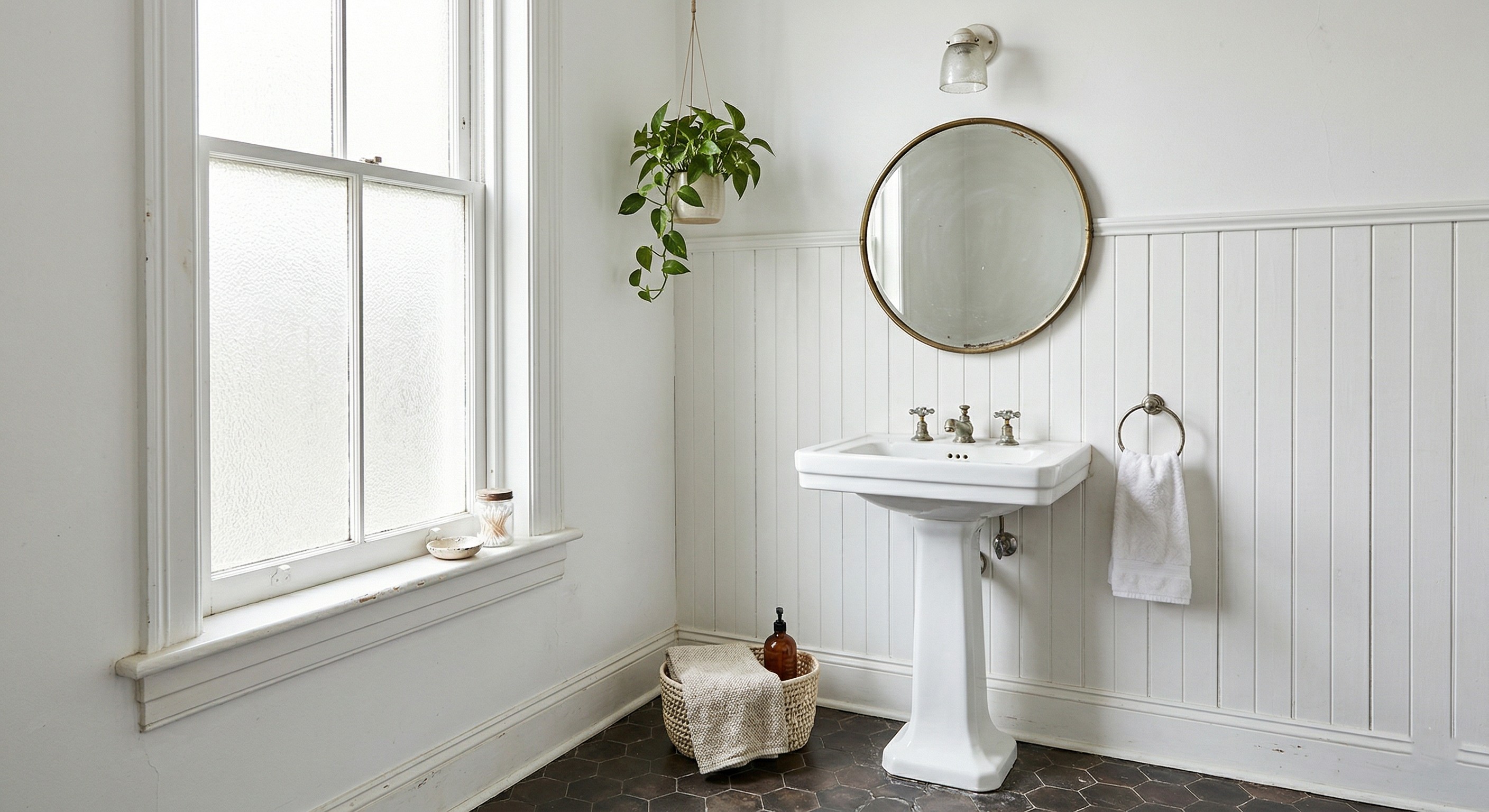
The elements that make a heritage home worth renovating rather than demolishing are precisely the elements that require care to preserve: original hardwood floors (strip and refinish rather than cover or replace), solid wood interior doors and original hardware (strip and refinish or replace matching hardware), original wood windows (can often be restored with weatherstripping and new glazing for a fraction of replacement cost), built-in cabinetry and millwork (strip paint and restore rather than gut), and architectural proportions (high ceilings, wide baseboards, deep window sills) that modern construction does not replicate.
Some Edmonton properties are formally designated as Municipal Historic Resources — these carry specific renovation restrictions requiring approval from the City Heritage Office before exterior changes. Many more are located in mature neighbourhoods with Mature Neighbourhood Overlay provisions that govern additions, garage suites, and infill. Even without formal designation, mature neighbourhood properties have specific setback requirements and height limits that affect renovation scope. A contractor experienced in Edmonton mature neighbourhood projects knows these constraints before your project starts, not partway through.
Heritage homes are not projects to be flipped or modernized into something unrecognizable. They are irreplaceable. The best renovations preserve their soul while making them work for the next century.
— Aarth ConstructionLet's build something extraordinary together.