Kitchens6 min read
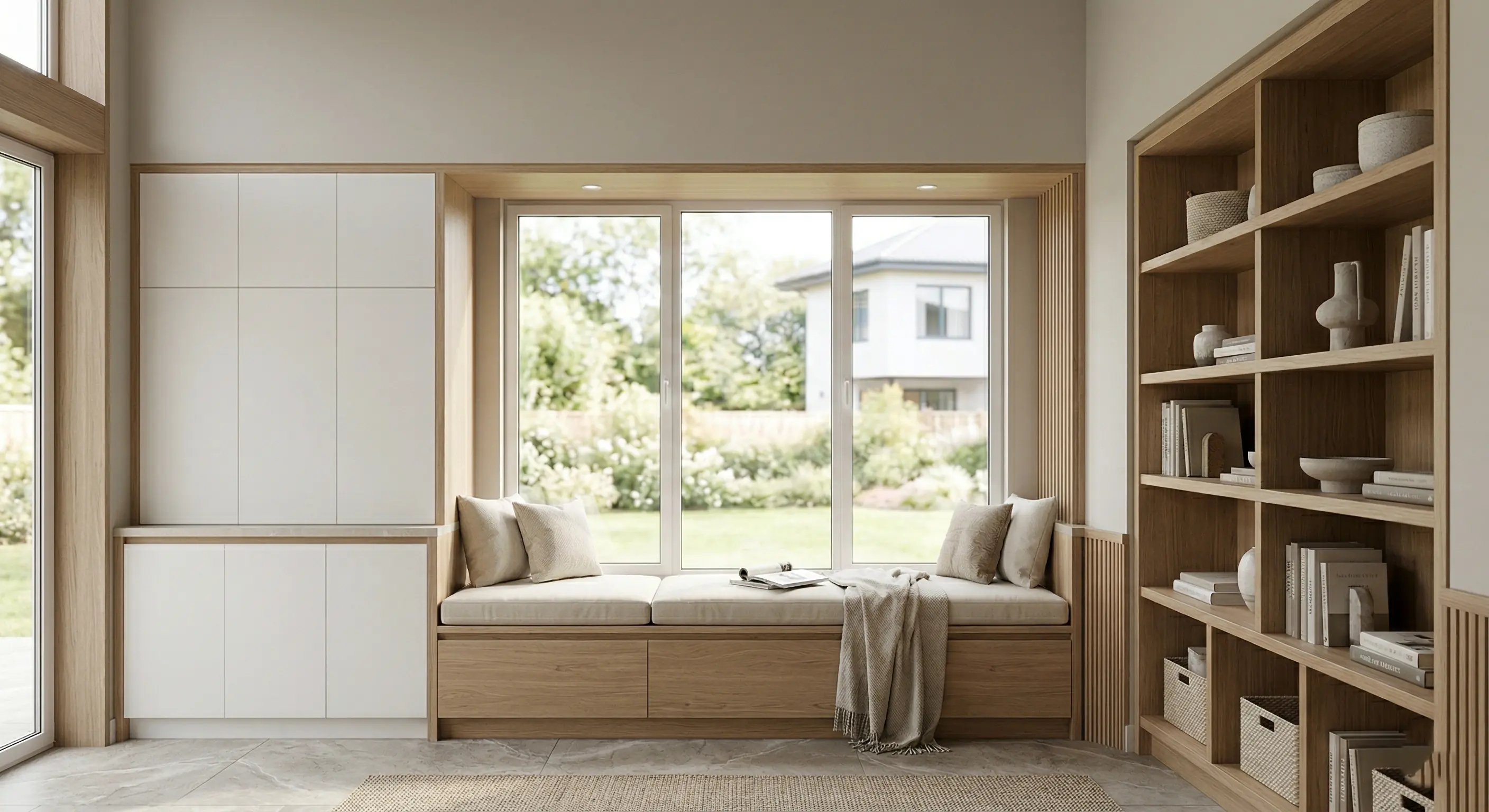
Custom built-ins are not just furniture — they are permanent architecture. Here is a detailed look at what custom millwork involves, where it adds the most value, and how to budget for it properly.
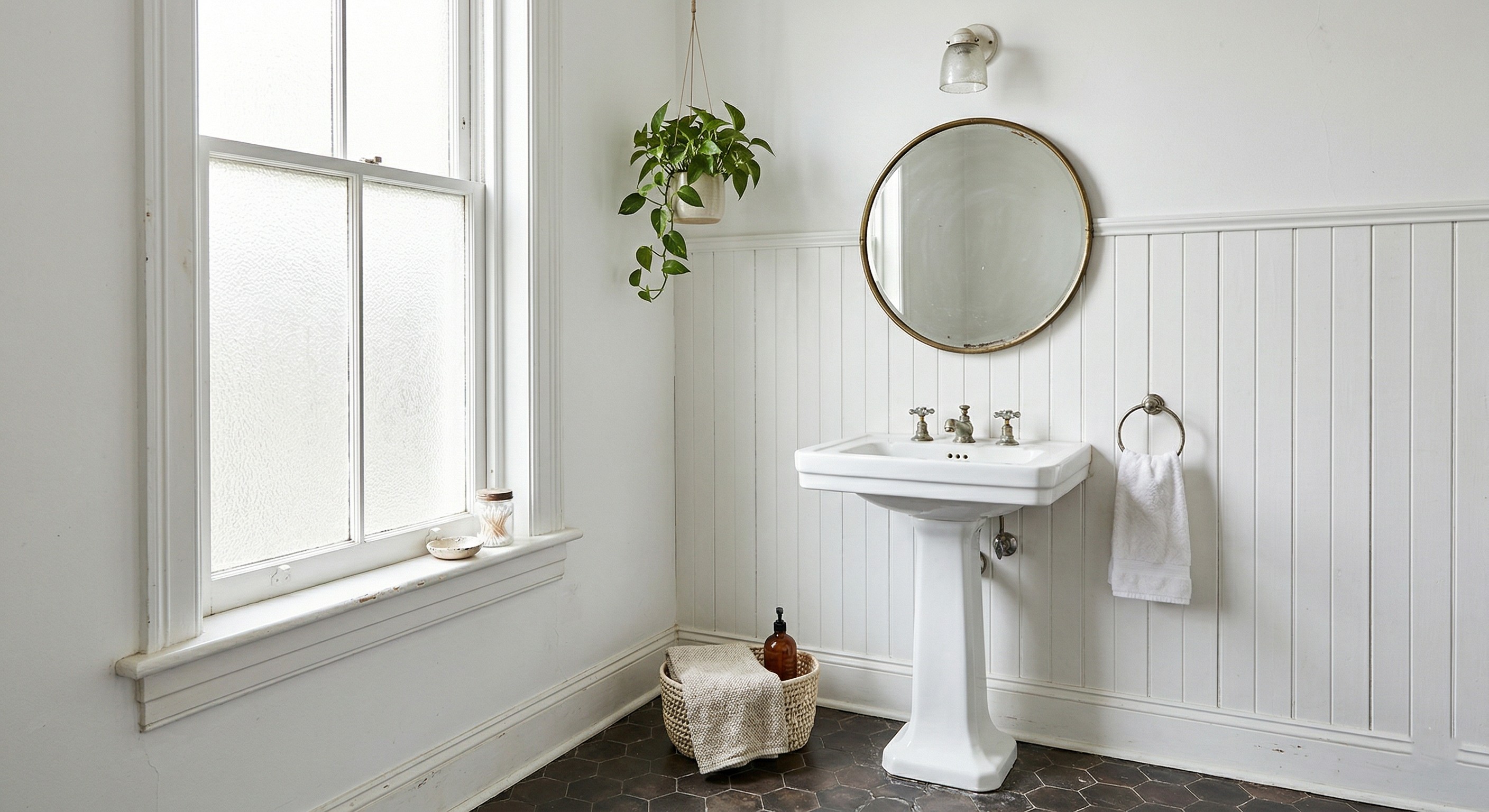
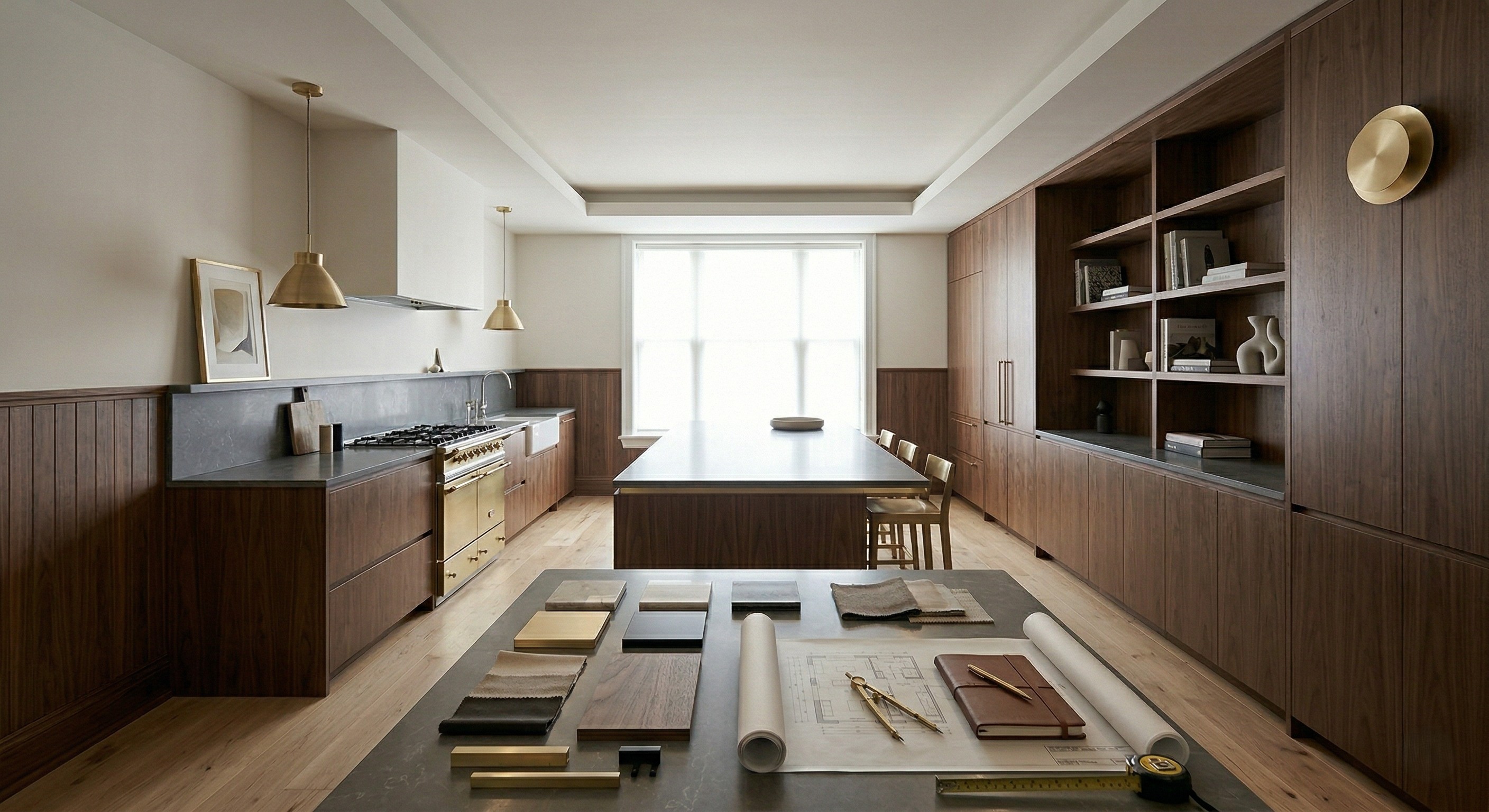
Custom millwork — built-in cabinetry, bookcases, entertainment centres, window seats, wainscoting, coffered ceilings — occupies a unique position in renovation. It is not furniture: it is permanent architecture that becomes part of the house. When designed and built well, it elevates a space in a way that no amount of furniture or paint can replicate. When designed poorly or executed cheaply, it is impossible to ignore and expensive to redo.
Stock cabinetry comes in fixed increments of 3 inches. It is designed to fit into standard kitchen and bathroom configurations, and the filler strips required to make it work in other applications are always visible on close inspection. Custom millwork is designed and built to the exact dimensions of the space — no fillers, no compromises, no visible seams between cabinets and architecture. Every unit is sized to its location. The result looks as though it grew there.
The other distinction is material quality and construction method. Quality custom millwork uses solid wood face frames and drawer boxes, full-extension soft-close hardware, and plywood carcasses rather than particle board. These choices affect durability, not just appearance: a quality built-in bookcase will outlast the house it is in; a particle-board unit with painted veneer will show wear and delamination within a decade of daily use.
The applications where custom built-ins deliver the greatest return — in both usability and resale value — are: built-in entertainment units in living rooms (eliminates the visual chaos of freestanding electronics and storage), built-in home office walls (transforms a room into a functional working environment), built-in mudroom cubbies and storage (already discussed in detail elsewhere), primary bedroom wardrobes with custom organization, and built-in bookcases flanking a fireplace or window (one of the most universally appealing architectural features in residential real estate).
Custom millwork is designed in detail before a single piece of wood is cut. This means dimensions, material selections, hardware specifications, interior configuration (fixed shelves vs. adjustable, open vs. closed storage, drawer vs. door lower section), finish type (painted, stained, or a combination), and lighting integration all need to be determined before the shop drawing is approved. Changes after production begins are expensive; changes after installation are sometimes impossible. The design phase is where to take your time.
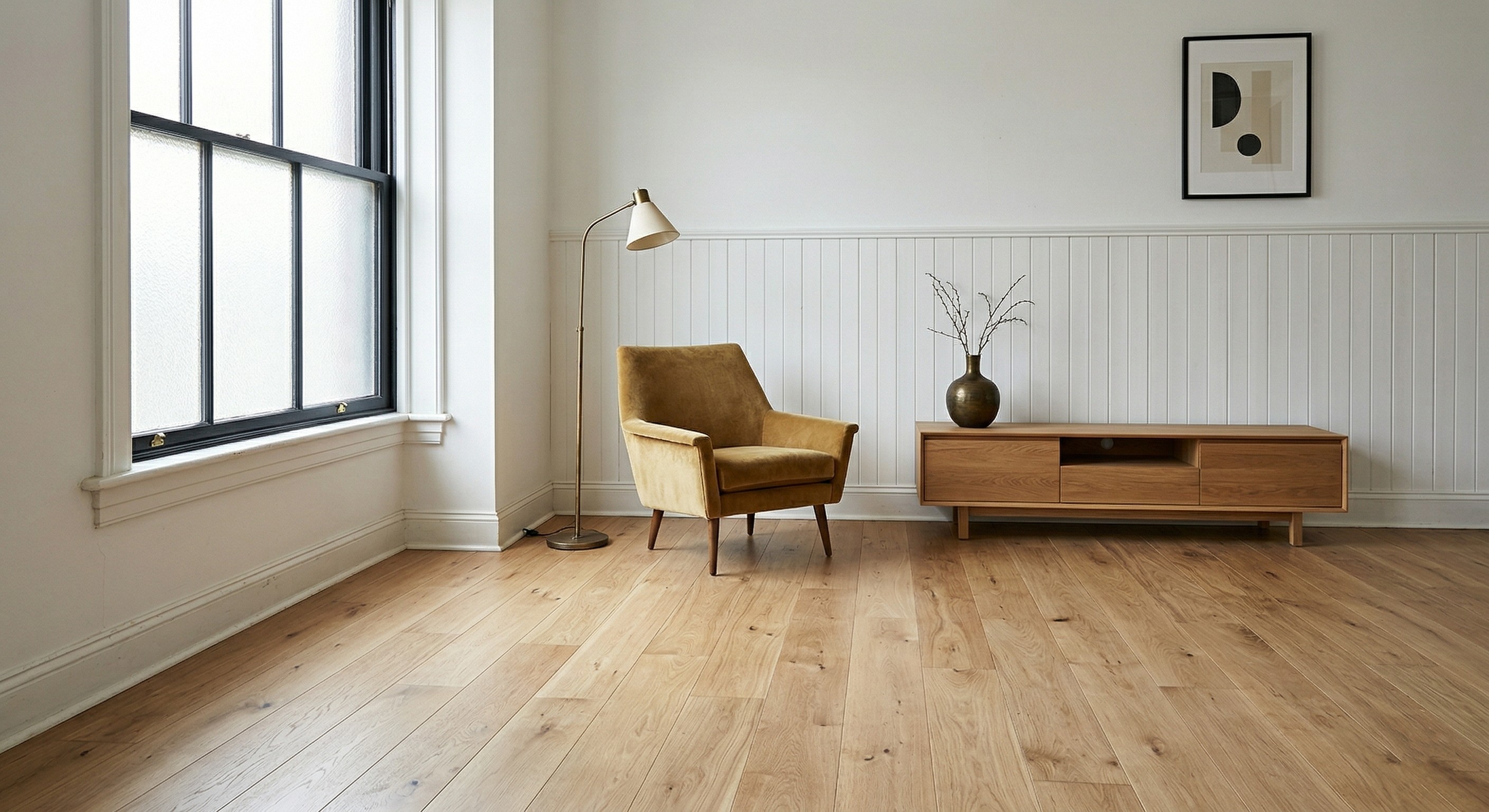
Painted millwork is the dominant choice in current Edmonton renovation because it integrates with virtually any interior colour palette and photographs extremely well. It requires high-quality preparation and spray application — brush-painted millwork is visually inferior and reflects light unevenly. Stained millwork works well in more traditional or transitional homes and in applications where wood warmth is desirable. Natural wood millwork — clear-coated without stain — is a specific aesthetic that works in mid-century modern and Scandinavian interior styles but can feel cold in other contexts.
A professional millwork supplier provides shop drawings — detailed scaled drawings of every built-in unit showing all dimensions, configurations, and specifications — before production begins. Review these drawings carefully against the actual space. Confirm that items like electrical outlets, light switches, baseboard heating vents, and windows are accurately accounted for in the design. Discovering that a built-in has been designed without accounting for a baseboard heater or an outlet is an avoidable problem that shop drawing review prevents.
Custom millwork is among the most permanent choices in a renovation. It deserves the same diligence as any structural decision — because in many ways, it is one.
— Aarth ConstructionLet's build something extraordinary together.